In Milton, the details that make or break a deal often aren't in the listing. Most of our estate homes run on septic, not city sewer. Most of our land is zoned AG-1, and the city works hard to keep it that way. An agent who doesn't live and work here can miss both, and that can cost a buyer or seller tens of thousands of dollars, or an entire land deal.
I live in Milton. My kids go to school here, I sell here, and I've watched these two issues surprise buyers, sellers and even other agents again and again. So here's what I want every Milton buyer and seller to know, and why working with someone who truly knows this city matters.
Example 1: Septic is normal in Milton, but it isn't something to skip
I hear it all the time from buyers relocating from other areas: "Septic? Isn't that a red flag?"
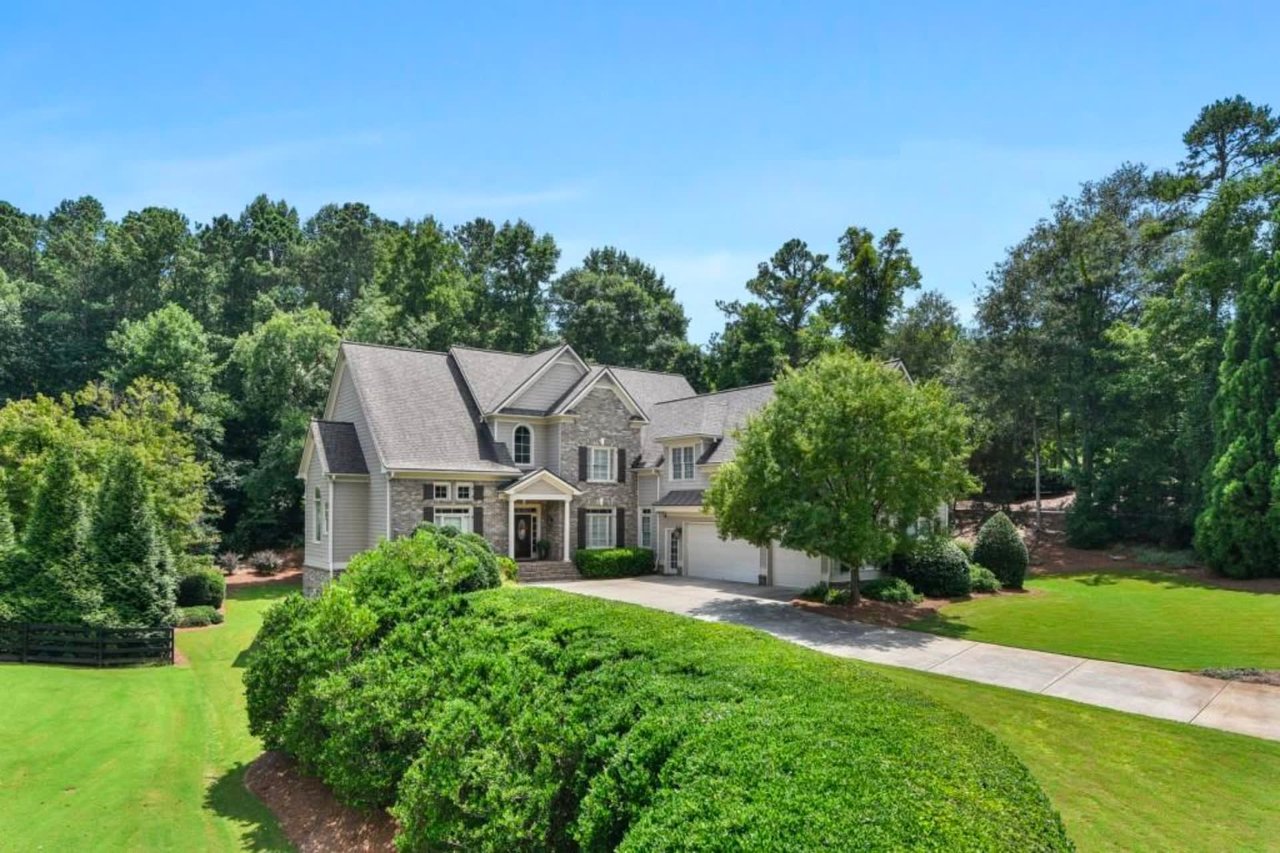
Here in Milton, it's simply how most of our homes work. A handful of smaller homes on smaller lots connect to Fulton County sewer. But most of Milton's estate homes, the ones on an acre or more along our country roads, use septic systems. In fact, Milton's code requires any lot with both a well and a septic system to be at least one acre (Milton UDC). Rejecting septic means rejecting most of the homes Milton is known for.
But "normal" doesn't mean "ignore it." This is where an agent who doesn't work in Milton can really hurt you.
What a local agent knows about septic
- Georgia doesn't require a septic inspection when a home is sold. Unless your agent builds one into your due diligence, it may never happen. Lenders for some loan types may require proof the system works, but you shouldn't count on that.
- A failing drain field is expensive. Local septic contractors estimate a full drain field replacement in Milton at roughly $10,000 to $25,000 (SepticRooter).
- The records exist, if you know to ask. The Fulton County Board of Health permits septic systems and keeps records of where they were installed and how they were designed (Fulton County). Pulling them shows whether the system was approved for the current number of bedrooms.
- Pools, additions and guest houses all affect septic. Expanding a home on septic usually requires Fulton County Environmental Health approval. A buyer planning a pool or addition needs to know where the tank and drain field are before closing.
What I tell my clients
Buyers: always order a septic inspection, and a pump-out if records are old. Sellers: have your system pumped and inspected before you list, and keep your receipts. A clean report removes one of the biggest negotiation hurdles before it ever comes up.
Example 2: AG-1 zoning, and why "we'll just rezone it" rarely works
The vast majority of land in Milton is zoned AG-1, the city's agricultural-residential district (City of Milton). On paper, AG-1 allows one home per acre. In practice, Milton protects its rural character fiercely, and anyone buying or selling land here needs to understand how that works before they sign anything.
What outside agents often miss
- Rezoning out of AG-1 is an uphill battle. Milton's founders chose AG-1 specifically to discourage density, and proposals to rezone farmland into denser subdivisions have drawn hundreds of residents to council meetings and been denied (AJC). In at least one case, a mayor vetoed a rezoning the council had approved (Patch).
- The city is actively pushing toward larger lots. In January 2026, Milton paused applications to split AG-1 land into lots under three acres. When the city lifted that pause in April 2026, it added new rules: a 20% lot coverage limit on lots that touch a public road, 25% for parcels of three acres or more, and a 20-foot natural buffer along roads for new lots (City of Milton). The city also offers incentives for parcels of three acres or more.
- Lot width matters too. New AG-1 lots must be at least 150 feet wide at the building line, up from 100 feet before 2022.
Why this matters for you
Picture this: a buyer pays a premium for 10 acres, planning to split it into several one-acre lots. Their agent, who doesn't work in Milton, assures them that's easy. Then they learn about the new standards, the coverage limits and the city's resistance to density, and their whole plan falls apart.
Or a seller prices land based on what it could "theoretically" be subdivided into, and it sits on the market, because every local builder already knows what the city will and won't approve.
Before anyone buys or sells land in Milton, I want to know the current zoning, what the city has approved nearby, and what the newest code changes allow. Then I recommend checking with the City of Milton's Community Development team and a land-use attorney before going under contract.
Other Milton details a local agent catches
Septic and zoning are the big two, but they're not the only things that trip people up here:
- Mailing address vs. city. Many Milton homes have an "Alpharetta, GA 30004" mailing address. City limits, taxes and services are what matter, and they're easy to mix up.
- School zones that split neighborhoods. Milton High and Cambridge High are both excellent, but the line between them can run right through an area, and families often care deeply which one they get.
- Equestrian features. Barns, fencing and riding arenas can add serious value for the right buyer and very little for the wrong one. Pricing them takes local comps.
- Wells. Some rural Milton properties still use well water. That means a water quality test and a well inspection belong in due diligence.
- Lot coverage limits. With Milton's new impervious cover rules, a buyer planning a pool, pool house or big addition needs to know what the lot will actually allow before closing.
How to tell if an agent truly knows Milton
Before you hire anyone to help you buy or sell here, ask these questions:
- "Is this home on septic or sewer, and when was the system last pumped and inspected?" A Milton agent will know to find out, and why it matters.
- "What's the zoning, and what could I realistically build or split here?" Listen for AG-1, lot coverage and the city's recent code changes, not "you can probably rezone it."
- "Which school zone is this, Milton or Cambridge?" A local agent will confirm it for the specific address.
- "How many homes have you sold in Milton recently, and where?" Look for real, recent local experience.
- "Do you live here?" It's not a requirement, but it's a huge advantage. You notice things when it's your own community.
Frequently asked questions
Do most homes in Milton, GA have septic systems? Most of Milton's estate homes on an acre or more use septic systems. A smaller number of homes, typically on smaller lots, connect to Fulton County sewer.
Is septic bad when buying a home in Milton? No. Septic is standard for Milton's larger homes. What matters is the system's condition, so always get a septic inspection and review the Fulton County Board of Health records.
Does Georgia require a septic inspection when you sell a home? No, Georgia does not require a point-of-sale septic inspection. That's why buyers should include one in their due diligence, and why sellers benefit from inspecting before they list.
What is AG-1 zoning in Milton? AG-1 is Milton's agricultural-residential zoning, which covers the vast majority of the city. It requires lots of at least one acre and 150 feet wide at the building line. As of April 2026, it also includes new lot coverage and road buffer rules.
Can I subdivide land in Milton? Sometimes, but it's more complicated than the one-acre minimum suggests. Milton has tightened its rules for new lots, especially those under three acres. Check with the City of Milton and a land-use attorney before buying land with plans to split it.
Why should I hire a hyperlocal agent in Milton? Because Milton's biggest risks, like septic condition, AG-1 zoning, school zone lines and equestrian property values, aren't obvious from a listing. Monica Blanco is a Milton resident and luxury agent with Peachtree Town and Country who works with these issues every day.
Buying or selling in Milton? Let's talk
Milton is a special place, and it comes with its own rules. Whether you're buying your first estate home, selling a property on septic, or eyeing land with big plans, I'll help you understand what you're really getting into before you commit.
I'm Monica Blanco, a luxury real estate agent with Peachtree Town and Country, a boutique brokerage based in Alpharetta. I live in Milton with my family, and I've closed more than $198 million in sales across North Fulton.
Call or text me at (404) 409-9388, or explore my Milton neighborhood guide and what homes are selling for in Milton right now.
This post is general information, not legal, engineering or zoning advice. Always confirm septic condition with a licensed inspector and zoning with the City of Milton and a qualified attorney.
Photo by Richard Burlton on Unsplash